











In 2026, the winners let growth signal shape both product and marketing.
Product-Led Growth had a good run.
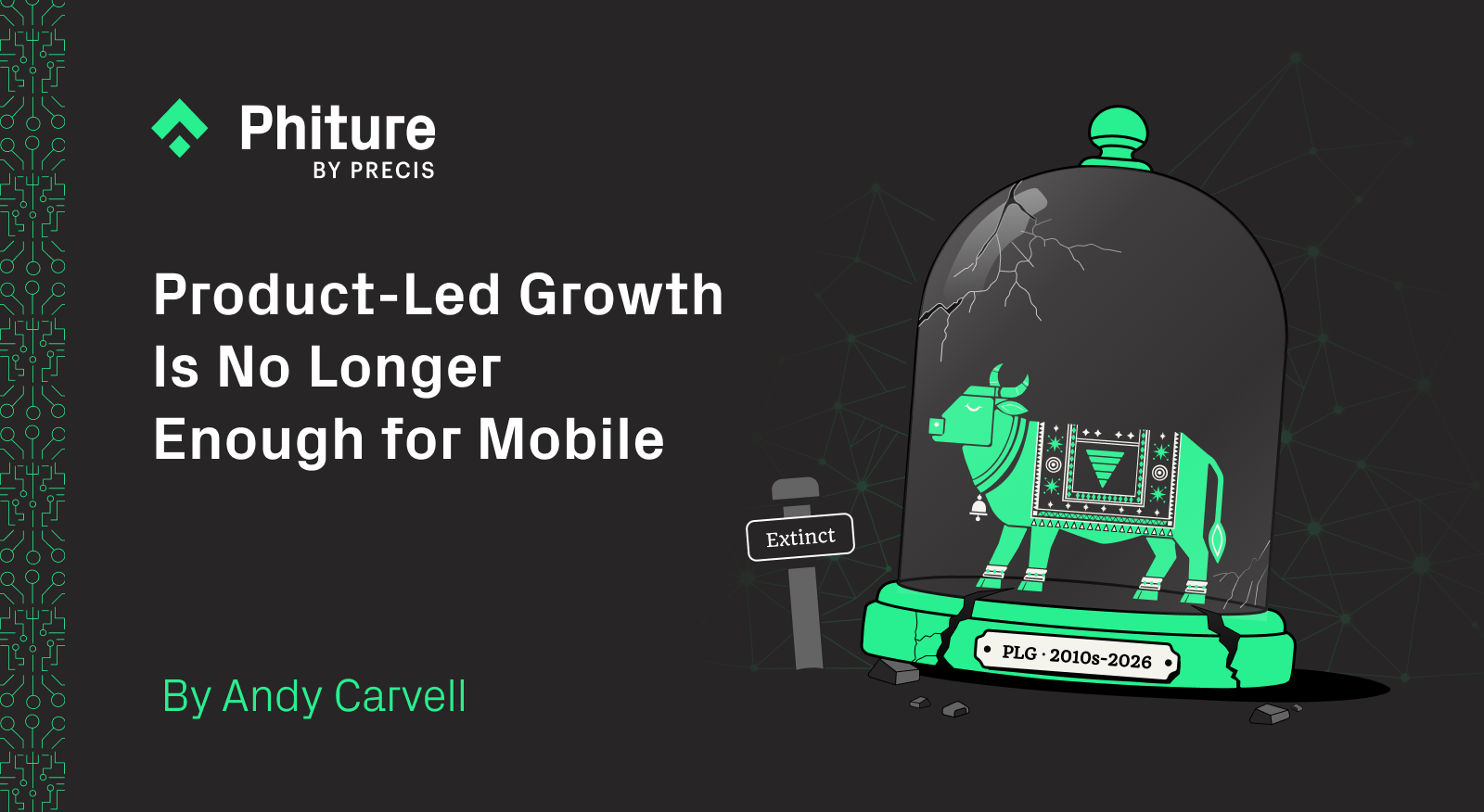
As a corrective to incoherent marketing strategy, feature theater, and top-down roadmaps, PLG did pretty well. It forced teams to value user experience and onboarding and to prioritize delivering value quickly. In plenty of software categories (inc. mobile apps), PLG was progressive and meaningful. But in 2026, PLG is no longer enough. Moreover, in many enterprise environments, it has quietly become a liability.
That is not because the product suddenly stopped mattering. Quite the opposite. Product matters enormously. But the idea that Product should sit at the top of the pyramid, with marketing brought in later to “scale what works,” is increasingly detached from how winning mobile growth actually works.
The market is moving too fast and still accelerating. User journeys are increasingly fragmented. Signal has become too precious. And AI has radically changed the unit economics of testing, learning, and creative production. The old sequence, product first, growth later, now means delay where you need feedback, opinion where you need evidence, and silos where you need connected growth loops.
So let’s say the provocative bit out loud:
The next era of mobile growth will not be product-led. It will be signal-led.
A concept like “marketing-led growth” is a useful provocation because marketing typically sits closer to live market signals than product does. It sees demand patterns earlier. It sees messaging resonance earlier. It sees which hooks convert, which audiences respond, which promises attract attention, and which narratives fall flat. But the real destination is not some turf war where marketing replaces product. It is a model where the growth signal informs both.
Therefore, in this article I’m making the case for “Signal Led Growth”: Signal-Led Growth is a model where growth is driven by continuous feedback loops from real-time user and market signals, enabling (although not requiring) teams to orchestrate multiple, personalized user journeys rather than a single funnel, dynamically adjusting spend, messaging, and channel mix so each interaction informs the next and, ideally, the entire system compounds performance end to end.
SLG aligns tightly with the paradigm of Integrated Growth. Integrated Growth treats acquisition, onboarding, retention, monetization, CRM, data, and experimentation as one connected system. It assumes user journeys are nonlinear. It assumes insight and signal should move omnidirectionally through the funnel, not get trapped inside functions. Moreover, Integrated Growth treats first-party data as a strategic asset, not departmental property. Signal-Led Growth operationalizes this by turning those shared signals into coordinated, system-wide actions that drive continuous optimization of the entire growth engine, not just individual channels.
Table of Contents
Why does this matter more now?
First, privacy and signal loss have degraded the old targeting playbook. ATT reduced access to user-level targeting and attribution on iOS, which has pushed teams toward broader targeting, heavier creative testing, incrementality, and retention-aware measurement. In other words, brute-force performance marketing has become less reliable, while interpretation, experimentation, and first-party data have become far more valuable.
Second, AI and automation have flattened the execution advantage. The bar for achieving “good” campaign setup, decent creative production, and passable lifecycle messaging has come down. That means the edge is moving elsewhere: faster learning loops, better judgment, cleaner signal, and stronger orchestration across surfaces. Generative AI is rapidly expanding creative possibilities and improving efficiency across creative operations within organizations of all sizes.
Third, growth itself is a connected system, not a collection of isolated pockets of excellence. The best app marketing in 2026 is not a launch plan. It is a connected system in which positioning, app store optimization, paid acquisition, onboarding, and retention inform one another continuously.
This is where classic PLG starts to crack.
PLG tends to privilege internal conviction over external signals. Passionate practitioners of PLG too often assume the product team is the primary source of truth and that market validation should follow. Sometimes that works, especially when you have exceptional product taste and genuine design genius. Apple could get away with that, at least historically. Most companies cannot, although many Product Leads might fancy themselves as the next Steve Jobs or Johnny Ive.
Most enterprise mobile teams do not have an abundance of pure product signal. They have backlog politics, stakeholder compromise, channel fragmentation, measurement constraints, and way too many opinions. In that context, treating Product as the unquestioned leader does not produce clarity. It often results in slower learning, feature-heavy engineering backlogs, and too many iterations that fail to deliver growth.
The sharper model is this:
- Use market signals to shape the roadmap,
- Use the product to fulfill the promise,
- Then use the downstream behavioral signal to refine both.
That means smoke-testing ideas before fully building them. It means using ads, landing pages, waitlists, custom product pages, and high-volume, high-cadence creative tests to validate, capture, and hold demand. It means soft-launching where appropriate. It means treating feature kills as intelligence, not failure. It means allowing ASO learnings to influence UA, UA creative to influence store listings, and in-product behavior to influence both acquisition and monetization.
The companies already operating this way are not subtle about it.
Supercell became famous for being ruthless about killing underperforming prototypes and soft-launched titles. That discipline matters because it puts market and behavioral evidence ahead of sunk-cost attachment.
Bending Spoons offers another version of the same instinct. Its playbook is not “protect the product vision at all costs.” It acquires large digital products, then actively changes user experience, features, pricing, monetization, and team structure in pursuit of better business performance. You may not like their approach, but you cannot mistake the operating philosophy: product is not sacred, product is a growth instrument.
Closer to home, some of the strongest examples are not “marketing replacing product,” but connected loops between them. In Signal Led Growth (SLG), the market signal shapes the product, and product performance compounds growth and informs marketing iteration.
So no, the answer is not really “Marketing-Led Growth” either, at least not if that just creates a new silo or results in the worship of Marketing as the new Sacred Cow.
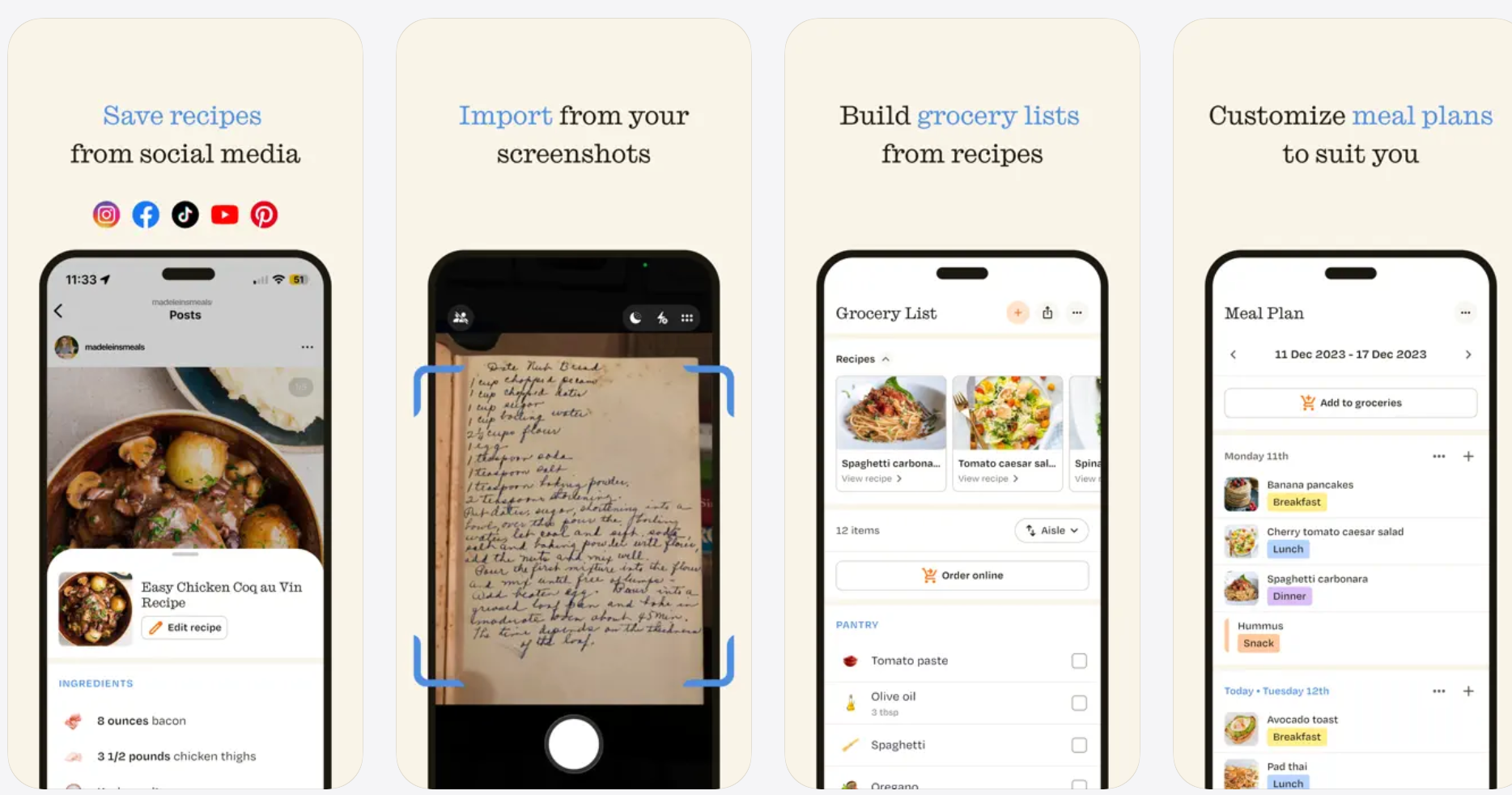
Recime: A product pivot driven by signal
In 2024, ReciMe said its smart recipe importer emerged as the product’s most-loved feature, so the team scrapped the rest and rebuilt the app around that core user action. At that point, it had already reached more than 500,000 home cooks in the US, imported more than 100,000 unique recipes, tripled retention over six months, and then saw a 20x increase in subscribers and revenue after introducing subscriptions.
Spotify Wrapped… a 1st-party data flywheel
Spotify Wrapped is still one of the best examples of turning first-party behavioral data into a product, a brand moment, and a distribution engine at the same time. Spotify reported that 2025 Wrapped drove more than 300 million engaged users and more than 630 million social shares globally. Spotify has also been explicit that Wrapped taught it how to “marry data with creativity” and has become a template for year-round interactive experiences rooted in listener behavior. Spotify Wrapped is Signal-led Growth (SLG) at massive scale.
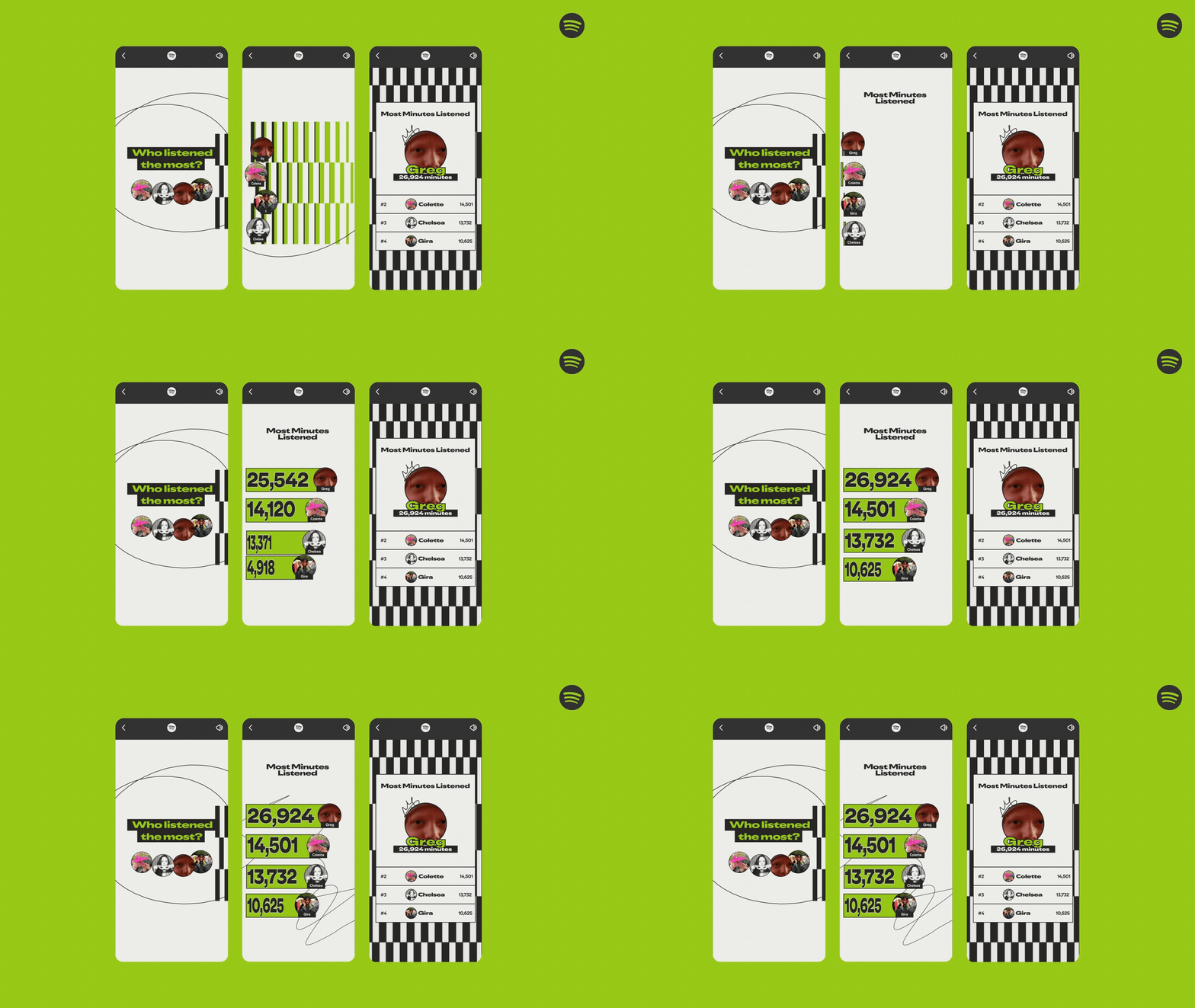
For a data-centric examination of what it takes to build a ‘wrapped’-like experience, check out this decent breakdown by Hightouch.
ClassPass broke down Acquisition & Retention silos to improve user acquisition efficiency with Braze Audience Sync
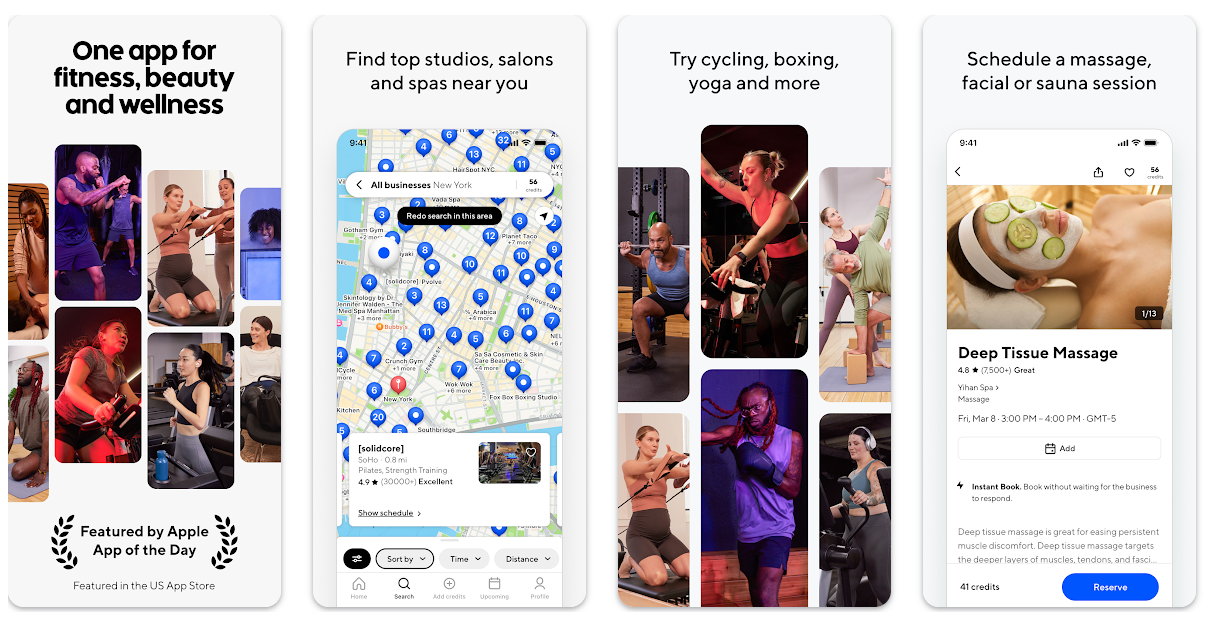
Owned messaging and paid channels should not exist in silos. Fitness, beauty, and wellness app ClassPass used real-time customer behavior and first-party data from owned channels to refine paid targeting across Facebook, Google, and TikTok, which produced a 2% lift in TikTok conversion rates. More info in this case study from Braze.
From Truebill to Rocket Money: Winning the Rebrand Moment with Signal-Led App Store Growth
During its transition from Truebill to Rocket Money, the team leveraged the App Store’s custom product pages and closely matched ad creative to capture users still searching for the old brand. By aligning intent with messaging and reducing friction through the user journey, they turned a risky rebrand into a growth opportunity, driving a 17% increase in Apple Ads ROAS, a 1.5x boost in premium user growth during peak season, as well as a 5x surge in installs from top category keywords.
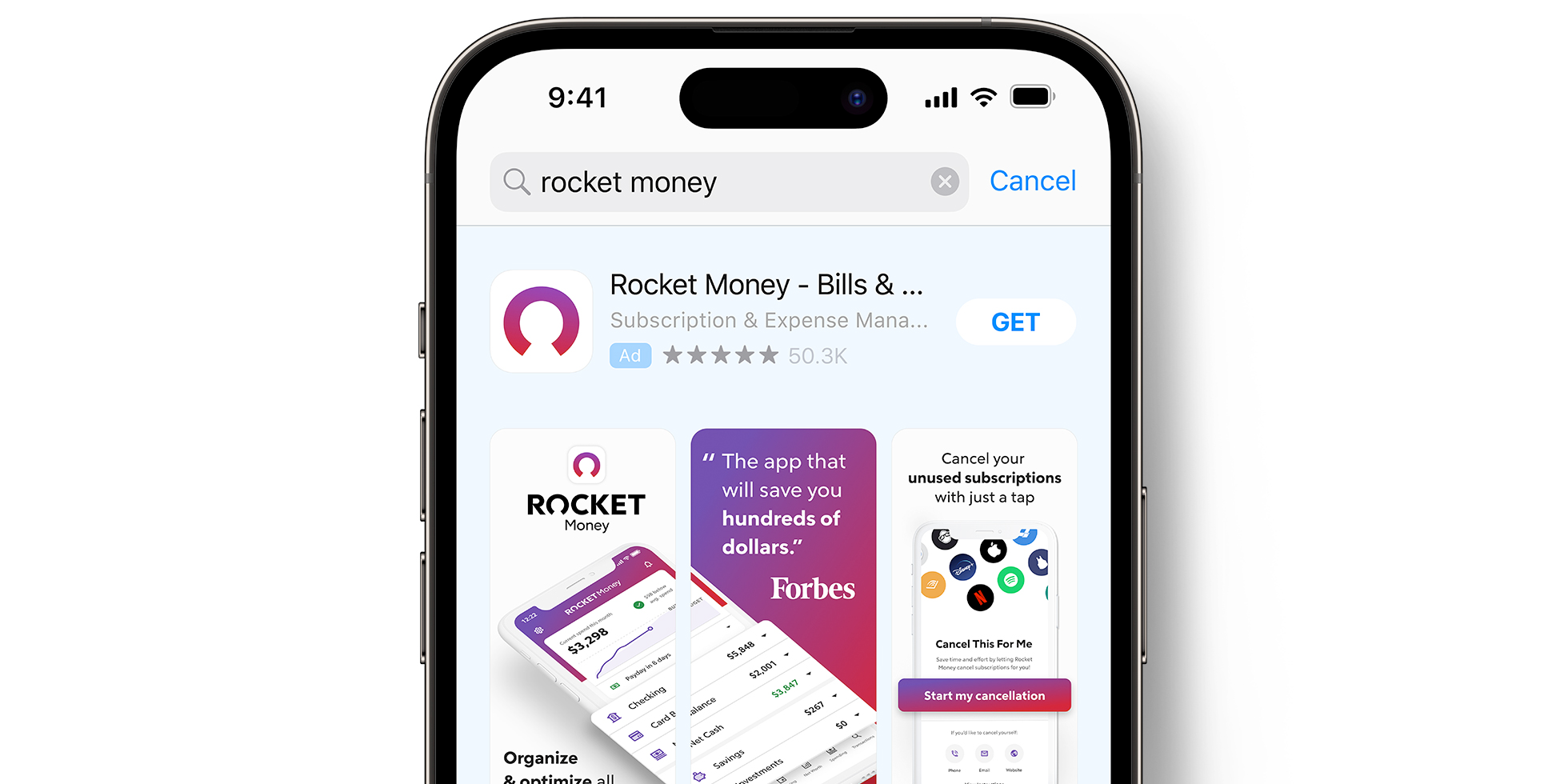
This Rocket Money case study is a great example of Signal-led Growth (SLG) in the App Store era: detect intent, match the message, reduce cognitive friction, increase cohesion across growth surfaces.
In SLG, the growth signal must lead. The product should not be demoted. Marketing should not be glorified. Both should be subordinated to evidence (aka Signal).
For enterprise mobile leaders, that means three hard shifts:
- Stop treating first-party data as exhaust and start treating it as strategic infrastructure.
- Stop organizing growth around channel silos and start building loops across acquisition, store, product, CRM, and monetization.
- Stop funding roadmaps based mainly on internal confidence and start demanding live market signals earlier, faster, and more often.
Product-led growth is not dead in the sense that product quality stopped mattering. It is dead as an operating religion. It is dead in that it is a suboptimal operating paradigm in this Brave New Digital World, and the stakes are too high for companies to continue down the PLG path while their market share is eroding.
In mobile, the companies that win here will not be the ones with the strongest ideology. They will be the ones that learn fastest, connect signals best, and let that signal shape both what they build and how they grow.
SLG is not anti-product; it is simply being more honest about how growth works today and acknowledging that PLG has had its day in the sun.
Want to go deeper? Start with the Integrated Growth Manifesto for the full picture on how acquisition, ASO, CRM, product, and data connect into one system, and stay tuned, we have a whole series coming up on exactly this.
FAQ
What is Product-Led Growth (PLG) and why is it no longer enough?
PLG is a go-to-market model where the product itself drives acquisition, retention, and expansion. It pushed teams to prioritize user experience and fast value delivery. But in 2026, fragmented user journeys, signal loss from privacy changes, and AI-flattened execution advantages mean that relying on product alone creates blind spots and slows the learning loops that modern mobile growth depends on.
What is Signal-Led Growth (SLG)?
Signal-Led Growth is a model where growth is driven by continuous feedback loops from real-time user and market signals. Rather than a single funnel, SLG enables teams to orchestrate multiple personalized user journeys, dynamically adjusting spend, messaging, and channel mix so that each interaction informs the next and the entire system compounds performance end to end.
How is SLG different from Marketing-Led Growth?
SLG is not a swap of one silo for another. Marketing-Led Growth risks replacing product worship with marketing worship. SLG subordinates both product and marketing to evidence; market signals shape the roadmap, product fulfills the promise, and downstream behavioral signals refine both. It is a connected loop, not a new hierarchy.
Why does this matter more now than it did a few years ago?
Three forces are accelerating the shift: privacy changes like Apple’s ATT have degraded user-level targeting, making first-party data and experimentation far more valuable; AI has lowered the bar for execution, shifting competitive advantage toward faster learning and better signal interpretation; and growth itself has become a connected system where acquisition, store, product, CRM, and monetization need to inform each other continuously.
Can you give a real-world example of Signal-Led Growth in action?
Several. ReciMe identified its most-loved feature through behavioral signal and rebuilt the entire app around it — resulting in a 20x increase in subscribers. Spotify Wrapped turns first-party listening data into a product moment and distribution engine simultaneously. Rocket Money used custom product pages and matched ad creative to detect intent during a rebrand, driving a 17% increase in Apple Ads ROAS.
Does SLG mean product quality no longer matters?
No. Product matters enormously. SLG is not anti-product; it is simply more honest about how growth works today. The shift is away from treating product as the unquestioned source of truth, and toward letting live market signals shape what gets built and how it gets grown. Product fulfills the promise; signal defines what that promise should be.
What should mobile teams do differently to adopt SLG?
Three hard shifts are needed: treat first-party data as strategic infrastructure rather than exhaust; stop organizing growth around channel silos and build connected loops across acquisition, store, product, CRM, and monetization; and stop funding roadmaps based on internal confidence alone, demand live market signals earlier, faster, and more often.